Energy Makes Up a Significant Share of Operating Costs
At many manufacturing companies in Vietnam, energy costs typically account for around 15-30% of total operating costs, and in some energy-intensive industries this share is even higher. For office buildings and shopping malls, electricity bills for air conditioning, elevators, and lighting are also often among the largest line items in monthly operating costs.
For companies with vehicle fleets or logistics operations, the picture is even more complex. Fuel costs - gasoline and diesel - make up a large share of total transportation costs, and fluctuations in fuel prices can directly affect freight rates, spreading through the entire supply chain.
In other words, whether a manufacturing company, a service business, or a commercial real estate investor, energy is now one of the "heaviest" cost items in the operating structure.
Why Are Energy Costs Becoming Harder to Predict?
Two main factors are making the energy-cost equation for businesses harder to predict than before.
First, for electricity - the current retail electricity pricing mechanism is far more flexible than in the previous period. Electricity prices can now be periodically reviewed and adjusted based on fluctuations in the power sector's input costs, rather than staying nearly fixed for long stretches as before. This means businesses need to get used to electricity costs changing more frequently.
Second, for petroleum - this cost is inherently far more sensitive to geopolitical shifts and global crude oil markets. Recently, there have been periods when domestic fuel prices swung sharply over short spans of time, driving up transportation and logistics cost pressures for many businesses.
How Do Energy Cost Fluctuations Affect Businesses?
When energy costs rise, the first and most direct impact is on product costs and profit margins. For exporters, higher energy costs also affect competitiveness when quoting prices to international partners - especially as major markets such as the EU, the US, and Japan increasingly tighten carbon emission requirements and ESG standards for imported goods.
The Gap Between Awareness and Action
On the positive side, awareness among Vietnam's business community on this issue has improved markedly in recent years. Many recent business surveys show that most companies, especially medium and large ones, now view energy management as a strategic issue, no longer simply a matter of "saving electricity" as before.
Some businesses have also begun to act: investing in energy-saving equipment, installing rooftop solar power, and optimizing the operation of air-conditioning and lighting systems. However, the level of implementation varies widely across companies. Some have built a well-structured roadmap, while quite a few others remain stuck at "knowing it matters" without translating that into concrete action.
Although awareness of the importance of energy management has improved considerably, the gap between "knowing" and "doing" remains fairly wide at many Vietnamese businesses. Quite a few companies admit they have considered investing in energy-saving solutions but are still hesitant to implement them.
The three most common barriers cited by businesses are: lack of upfront investment capital, lack of personnel with energy management expertise, and lack of technical solutions truly suited to each company's specific production and operating conditions. This is precisely the gap that professional energy consulting and auditing firms can help businesses fill — from correctly identifying the problem to proposing financially viable solutions.
How Should Vietnamese Businesses Respond?
Given increasingly volatile energy costs and tightening regulations, businesses may consider several concrete steps:
Start with measurement, not guesswork. A thorough energy audit covering both electricity and fuel consumption will help a business pinpoint exactly "where the money is leaking," rather than investing broadly based on intuition.
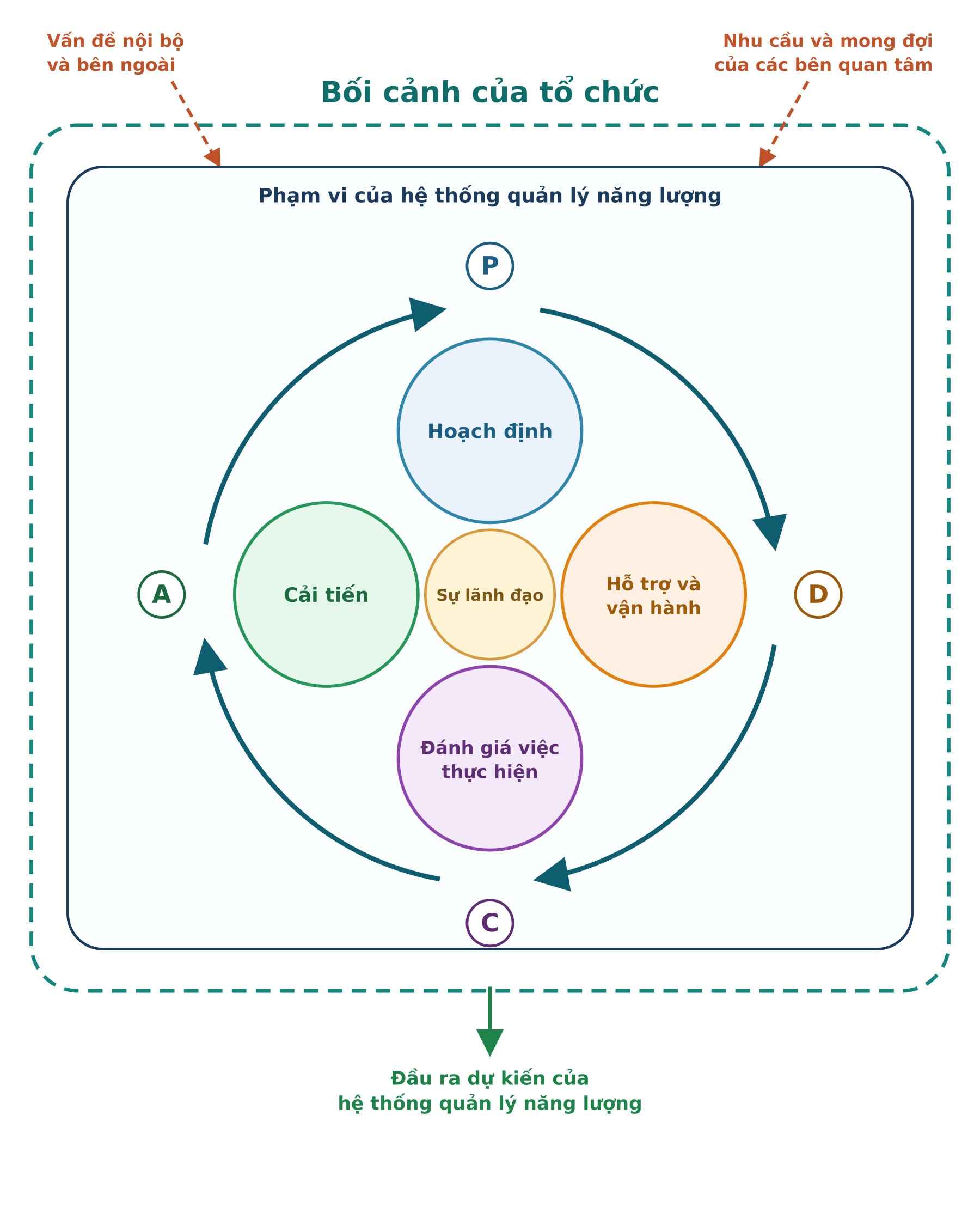
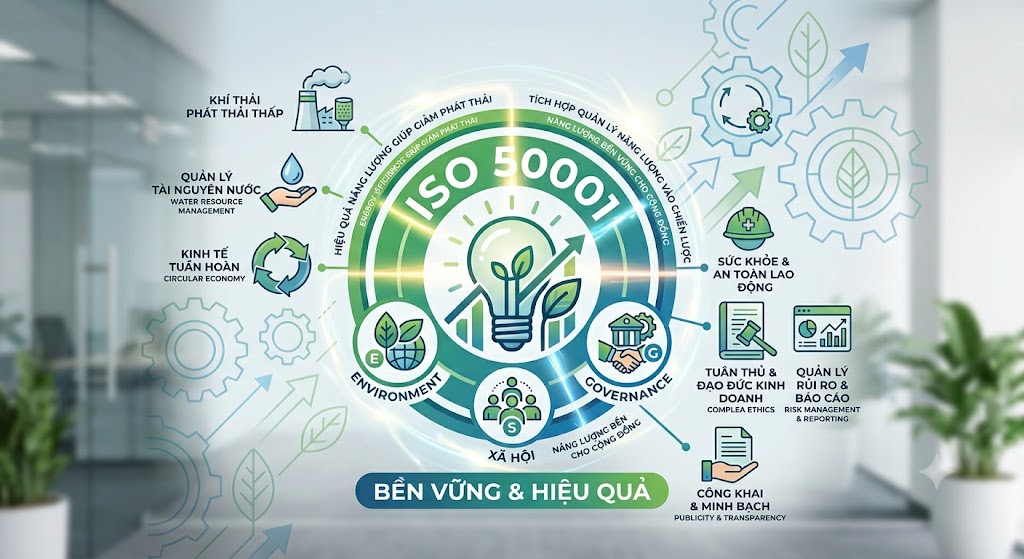
Build a system, not one-off fixes. Adopting a structured energy management system (following international standards such as ISO 50001) helps a business continuously monitor, control, and improve energy efficiency, rather than only addressing issues as they arise.
Invest in phases, prioritizing quick paybacks first. There's no need to commit all resources to one large project from the outset. A business can start with low-cost, quick-payback solutions (such as LED lighting or optimized equipment operation) before moving on to larger investments like rooftop solar power or ESCO investment-partnership models.
Take advantage of existing support mechanisms. The amended Law on Efficient and Economical Use of Energy has also laid the groundwork for financial support for businesses developing investment plans.
With experience conducting energy audits and energy management consulting for numerous manufacturing companies, the team of certified energy auditors from ENERVI stands ready to accompany businesses from the initial measurement and situation analysis through to building an optimal investment roadmap suited to each company's budget and real-world operating goals. Businesses interested in assessing their current energy usage can contact ENERVI for an initial consultation and survey.