Where Should Vietnamese Manufacturers Start with ISO 50001 in 2026?
Energy prices keep rising, industry-specific energy consumption norms are becoming more clearly defined, and Vietnam's energy consulting and auditing market is facing a shortage of qualified professionals just as demand is climbing. These three factors mean that how a business should approach ISO 50001 in 2026 looks somewhat different from a few years ago. Here are the priorities that should come first.
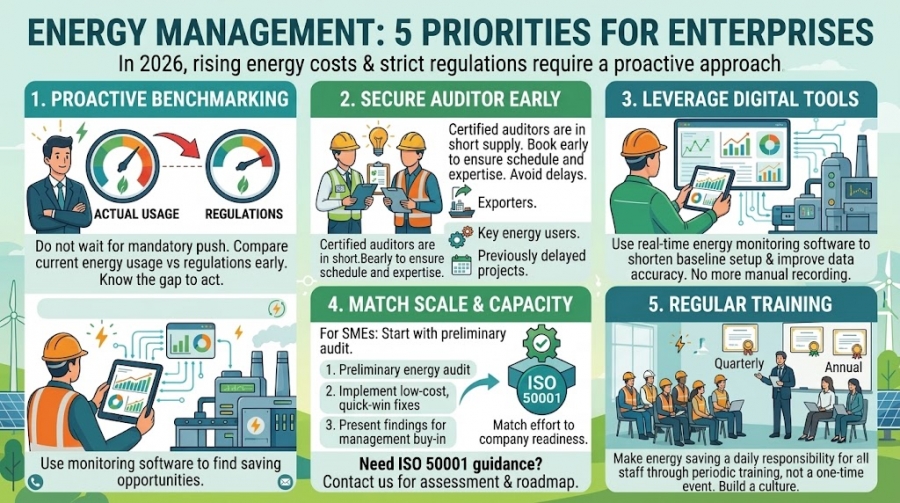
1. Don't wait to be pushed into action by regulation
The Ministry of Industry and Trade has issued circulars setting energy consumption norms for a number of energy-intensive manufacturing sectors — including paper, steel, and beer and beverages — and recommends that businesses classified as key energy users adopt an energy management system under ISO 50001.
If your business falls into this group, the first move shouldn't be jumping straight into building the system — it should be comparing your current actual energy consumption against the norms set for the current period. This is the fastest way to know exactly where you stand, how large the gap is, and how urgent implementation really is, before committing time and budget to building a full system.
2. Lock in an experienced consulting/auditing partner early, rather than at the last minute
Qualified energy auditing capacity in Vietnam is currently a challenge on both the human-resource and equipment fronts — demand for solid professional consulting is growing faster than supply. That means businesses that engage an experienced consulting partner early gain a real advantage in timeline, rather than having to wait in line for experts as market demand keeps rising over the next 1–2 years.
This matters especially for businesses that:
- Have export plans or face evaluation pressure from customers or multinational corporations within their supply chain
- Fall into the key energy user category and may be subject to inspection or reporting requirements from regulators
- Have considered ISO 50001 before but postponed it as "not urgent" — now is the time to reconsider
3. Put digital tools to work from the very first assessment step
Rather than relying solely on electricity bills and manual record-keeping as in the traditional approach, many businesses have started using energy monitoring software to collect real-time data from the initial survey stage onward.
This approach delivers two clear benefits:
- A shorter timeline for establishing the energy baseline — since there's no need to wait months for manual data compilation
- More accurate data that reflects real fluctuations across shifts and seasons — especially valuable for plants with multiple production lines and complex operating schedules
For businesses that don't yet have sub-metering in place, this is also an upfront investment worth considering early, since it directly affects the quality of data feeding the entire system going forward.
4. Set priorities that match your company's size
Not every business needs to roll out a complete ISO 50001 system in year one. For small and medium-sized manufacturers, a more practical approach is usually to:
- Start with a preliminary energy audit to pinpoint the most obvious sources of loss
- Apply "low-cost, high-impact" solutions right away — such as waste heat recovery, fixing compressed-air leaks, and optimizing equipment operating schedules
- Use those early savings results as the case for convincing leadership to invest more fully in building out the complete system
This is also the path a number of manufacturers in Vietnam have taken: starting with one specific technical solution, generating measurable savings, and then expanding into a comprehensive energy management system.
5. Don't let awareness training be a one-time event
With operating staff turnover being a constant reality, even a well-designed system will gradually lose effectiveness if training only happens once, at project kickoff. Businesses that sustain stable energy savings year after year all share one trait: they make energy saving the responsibility of every department and every individual — for example, running cross-department checks and monitoring to catch leaks or waste early — rather than leaving it to a handful of technical staff.
That's why, from the very start of implementation planning, a business should set a clear cadence for recurring training (at least once a year) and assign clear ownership for keeping it going, rather than treating training as something to "figure out later" once the system is already running.
If your business is considering adopting ISO 50001 for the first time, or has already implemented it but wants to reassess its effectiveness given this new context, contact with us for an assessment and guidance on the right roadmap for you.
 Hotline: Nguyen Xuan Quang - 0916 127 468 |
  nxquang@enervi.vn
Fanpage: Năng lượng Enervi
#ISO50001 #EnergyManagement #EnergySavings #ISOConsulting #nangluongenervi
13/08/2026
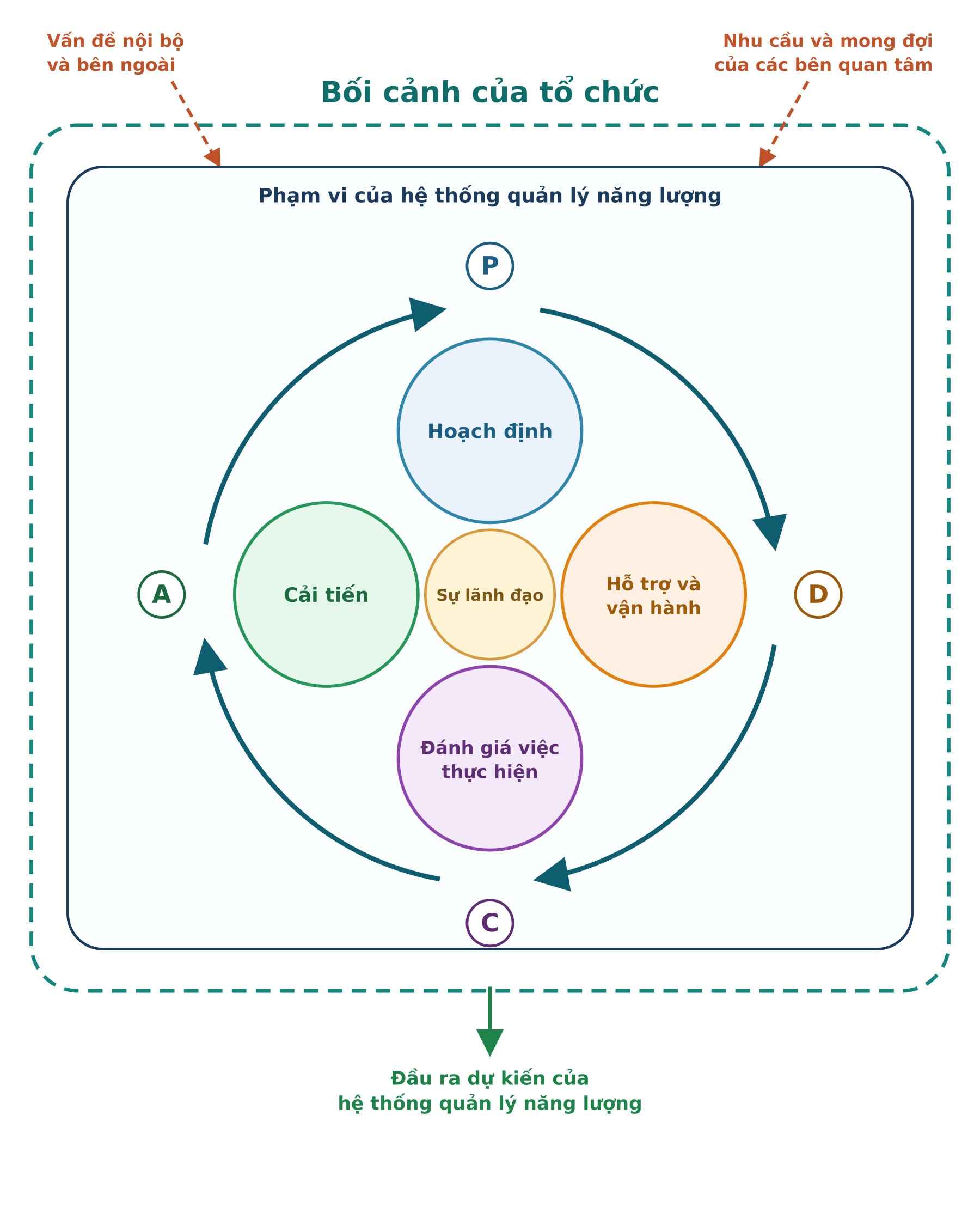
Program Introduction
As part of the Ministry of Industry and Trade's National Program on Efficient and Economical Energy Use for the 2019–2030...
16/10/2026
Official Announcement of the Grid Emission Factor of Vietnam’s Power System for 2024: 0.6187 tCO₂/MWh
24/09/2026
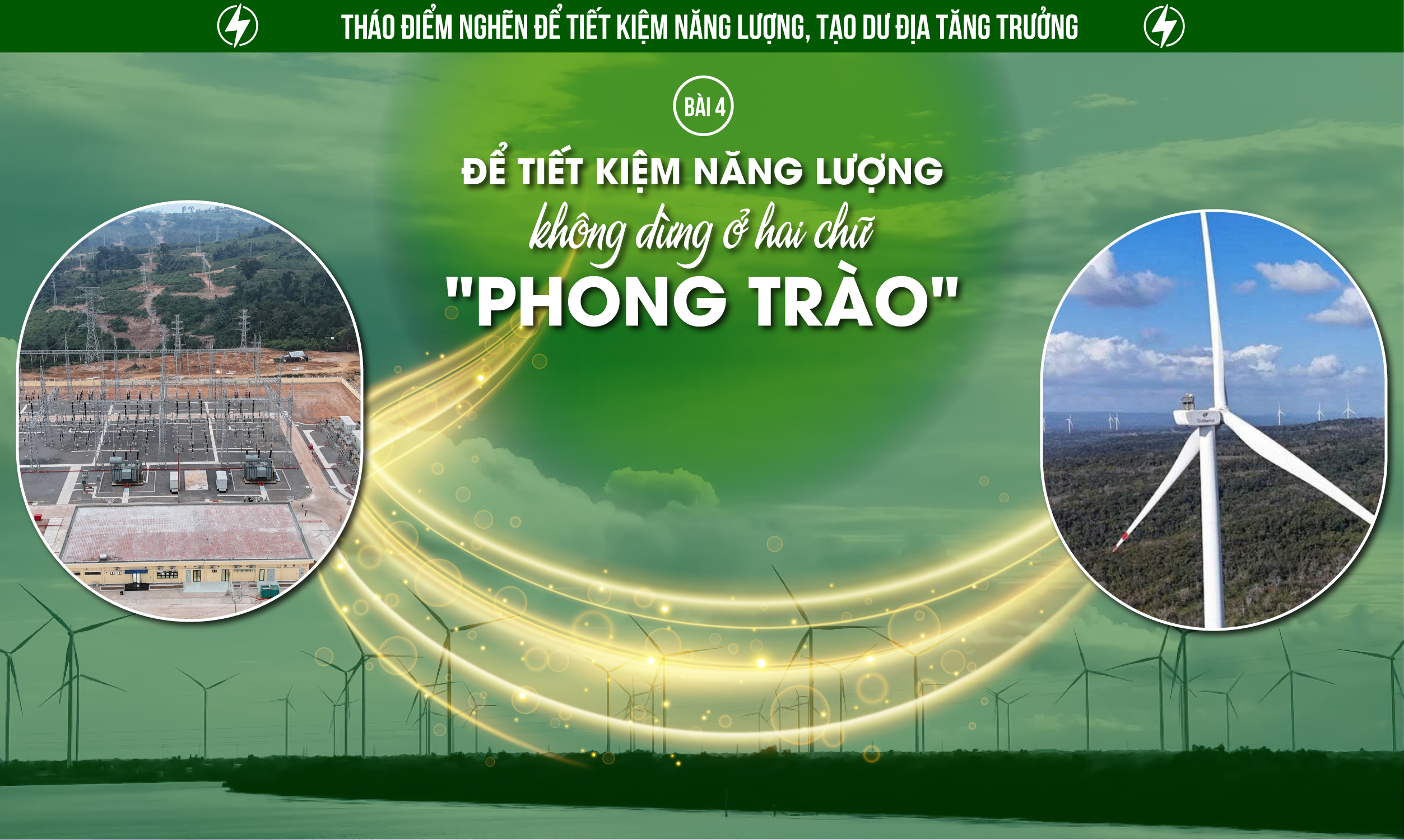
To turn the goal of reducing total energy consumption by 8–10% by 2030 into reality, a strong enough mechanism is needed to transform energy-saving...









